

Temperature monitoring
Data loggers, wireless sensors and alarm thermometers, from vaccine refrigerators to dry ice shipments and cryogenic containers.
Measuring ranges
Temperature data loggers record measurements for a report, wireless sensors send them to a cloud service in real time and alarm thermometers give a warning on site. Measuring ranges cover everything from vaccine refrigerators to dry ice and liquid nitrogen.
We supply equipment from four manufacturers in Finland: wireless monitoring from SenseAnywhere, data loggers from LogTag and ELPRO, and alarm thermometers and PDF loggers from DeltaTrak.
LogTag
- TRED30-16RMeasuring range −40…+99 °C
- UTRID-16Measuring range −30…+60 °C
- TREL30-16Measuring range −90…+40 °C
- UTRED30-WiFi and UTREL30-WiFiUTRED30-WiFi −40…+99 °C, UTREL30-WiFi −90…+40 °CMeasuring range −90…+99 °C
- UTRED-16FMeasuring range −40…+99 °C
- UTRIX-16Measuring range −30…+70 °C
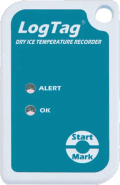
- Dry ice loggersTREL-8 down to −90 °C, 16U models down to −85 °C, SRIL-8 and TRIL-8 down to −80 °CMeasuring range −90…+40 °C
Applications
Vaccine and medicine refrigerators
+2…+8 °C
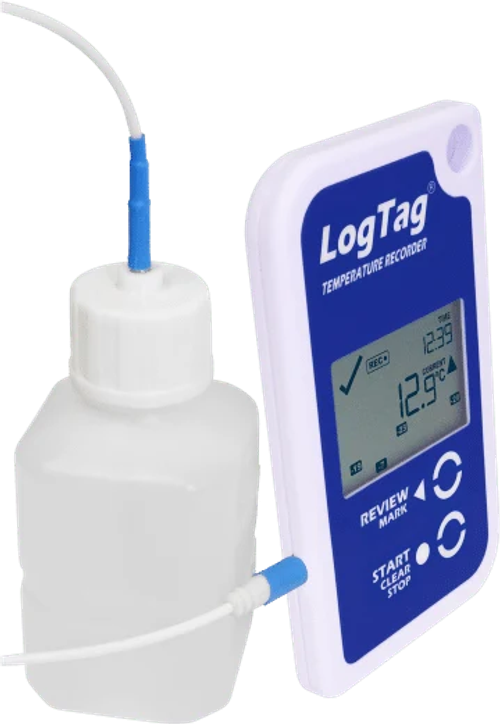
A logger with a display or an alarm thermometer shows a deviation immediately. With the probe in a buffer bottle, opening the door does not cause false alarms. UTRID-16 and DeltaTrak FlashLink 40527 are WHO PQS prequalified, and UTRED30-WiFi sends its measurements to the cloud over WiFi.
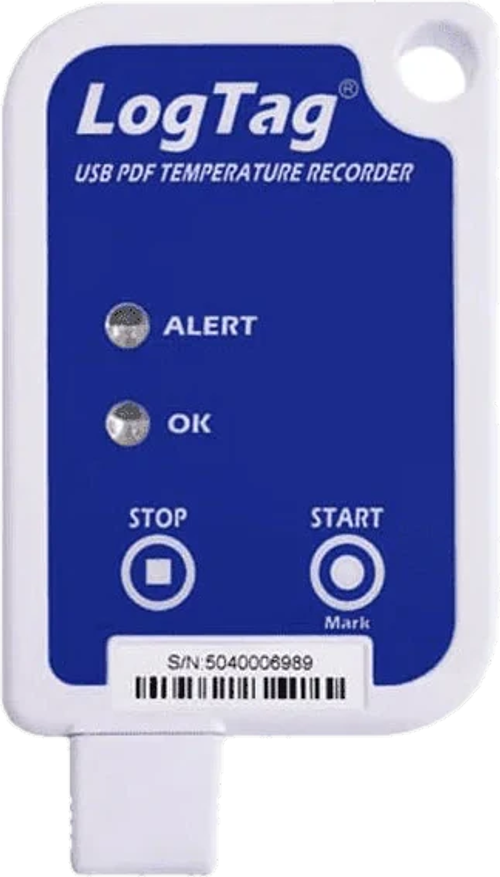
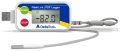
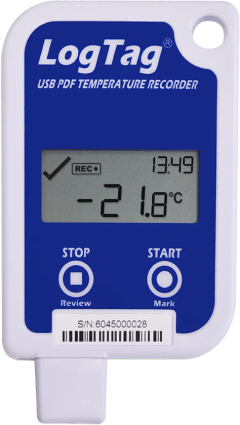 UTRID-16WHO PQS prequalified USB logger with display: PDF report without software, −30…+60 °C.
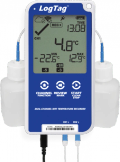
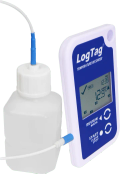
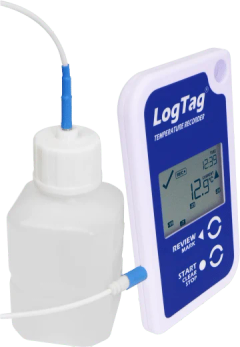 TRED30-16RLogger with display and external probe for vaccine refrigerators: −40…+99 °C and audible alarm. Models TRED30-16R, TRED30-16CP (Smart Probe) and TRED30-16U (USB-C).
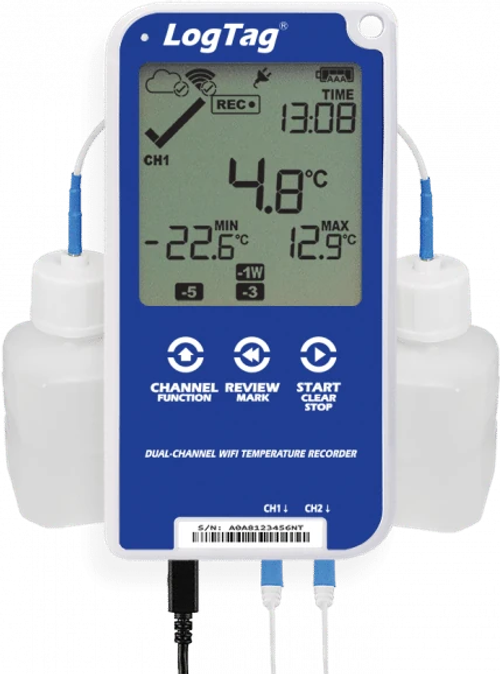
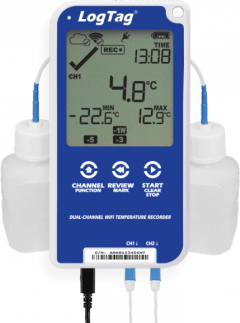 UTRED30-WiFi and UTREL30-WiFiTwo-channel logger with a display that sends measurements over WiFi to LogTag Online. UTRED30-WiFi −40…+99 °C, UTREL30-WiFi −90…+40 °C.
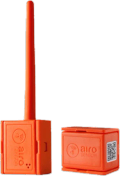
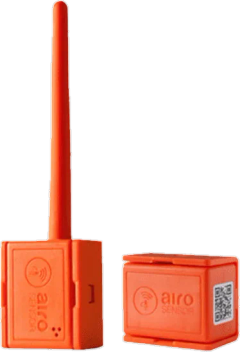 AiroSensorWireless sensor for real-time temperature monitoring, available in three models. The T and X models measure −40 … +70 °C with ±0.1 °C accuracy (0 … +70 °C), and the battery lasts 10 years.
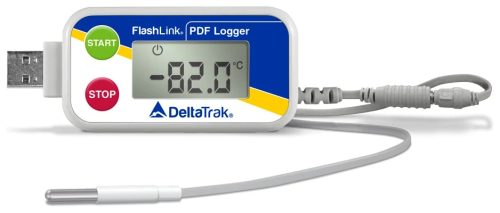
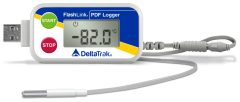 FlashLink Vaccine PDF loggersReusable PDF loggers for vaccines: 40527 with glycol bottle −50…+40 °C (WHO PQS E006/047), ULT models 40570 and 40571 −82…+45 °C.
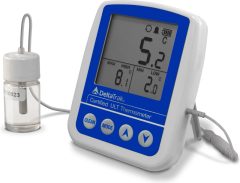 FlashCheck 12238Certified min/max alarm thermometer for vaccine refrigerators: probe in a glycol bottle, −50…+70 °C, beep and flashing light.
Freezers and ULT freezers
−20…−80 °C
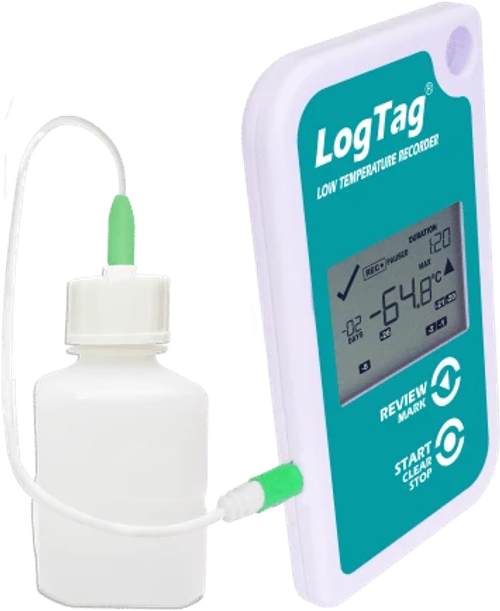
An external probe measures inside the freezer, and the display can be read without opening the door. TREL30-16 and UTREL30-WiFi measure down to −90 °C, and LIBERO CE and the AiroSensor Pt100 module go even lower. FlashLink ULT loggers record down to −82 °C.
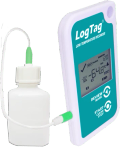
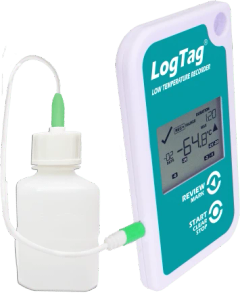 TREL30-16Low-temperature logger with external probe for freezers: −90…+40 °C and audible alarm. Models TREL30-16, TREL30-16CP (Smart Probe) and TREL30-16U (USB-C).
- UTRED30-WiFi and UTREL30-WiFiTwo-channel logger with a display that sends measurements over WiFi to LogTag Online. UTRED30-WiFi −40…+99 °C, UTREL30-WiFi −90…+40 °C.
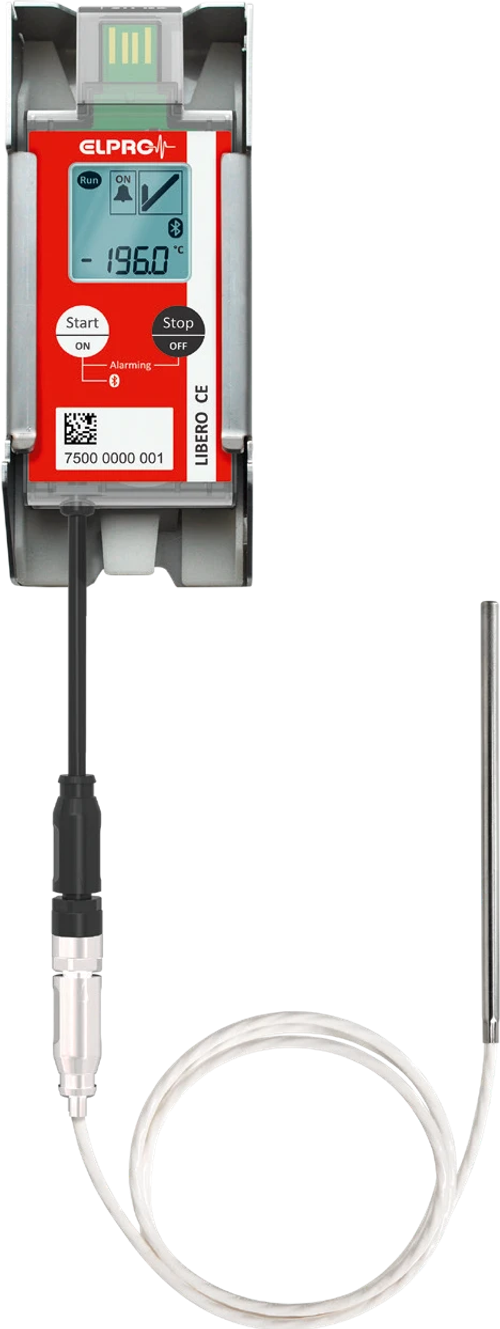
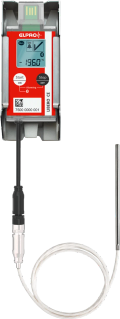
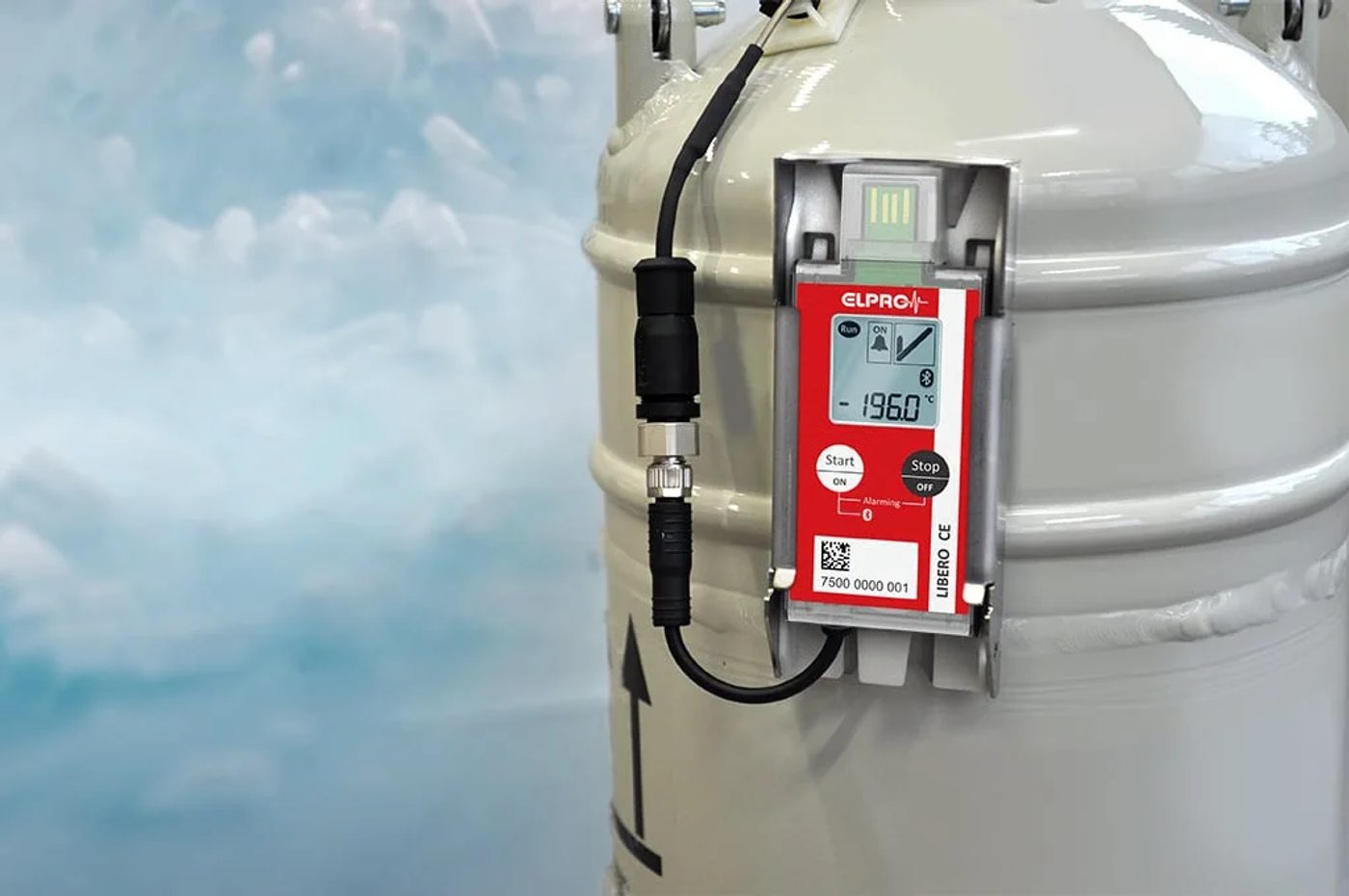
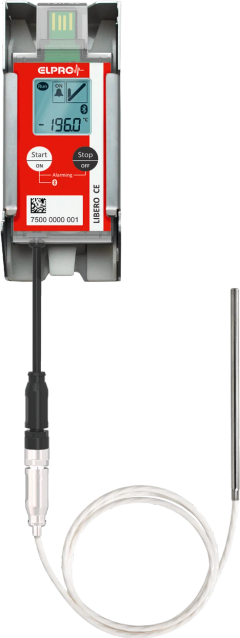 LIBERO CEPDF logger for an external Pt100 probe: −200…+400 °C depending on the probe. For cryogenic containers, dry ice and ULT freezers.
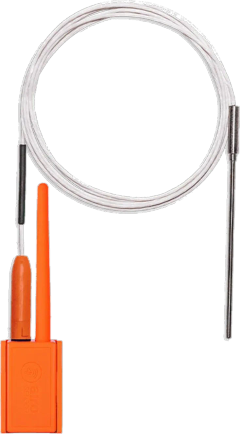 AiroSensor with external moduleFor your own 4-wire Pt100 probes and analogue industrial sensors (4–20 mA or 0–10 V). With Pt100 probes −200 … +250 °C.
- FlashLink Vaccine PDF loggersReusable PDF loggers for vaccines: 40527 with glycol bottle −50…+40 °C (WHO PQS E006/047), ULT models 40570 and 40571 −82…+45 °C.
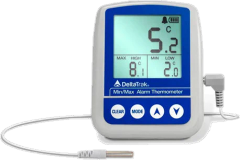 FlashCheck 12217Min/max alarm thermometer with external probe: −50…+70 °C, large display, beep and flashing light.
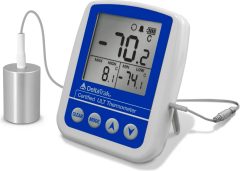 FlashCheck ULTCertified min/max alarm thermometer for ULT freezers and dry ice: −82…+45 °C, beep and flashing light.
Dry ice and cryogenic containers
−78.5 °C and −196 °C
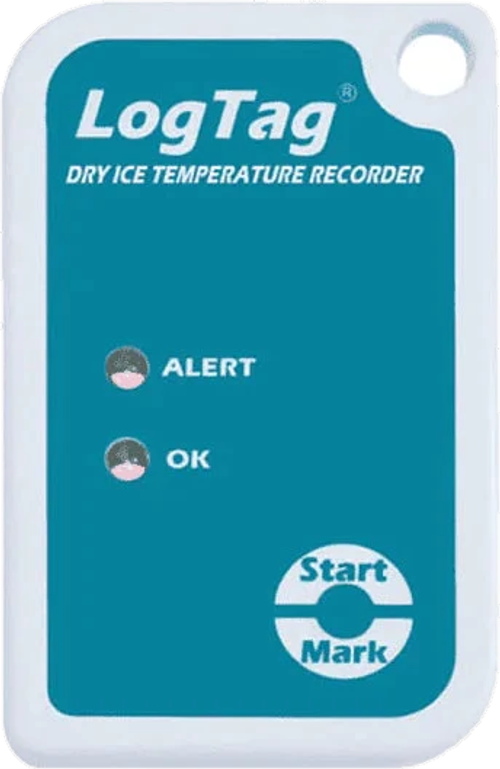
Of the LogTag dry ice loggers, SRIL-8 and SRIL-16U are single-use, TRIL-8 and TRIL-16U are reusable and TREL-8 measures with an external probe. The single-use LIBERO CD is placed directly in the dry ice and measures down to −95 °C. The temperature of cryogenic containers is measured with the LIBERO CE Pt100 cryogenic probe.
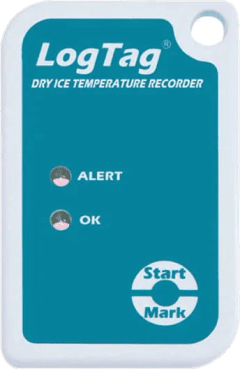 Dry ice loggersLoggers for dry ice shipments: SRIL-8 and SRIL-16U single-use, TRIL-8 and TRIL-16U reusable, and TREL-8 with an external probe down to −90 °C. The 16U models create a PDF report via USB.
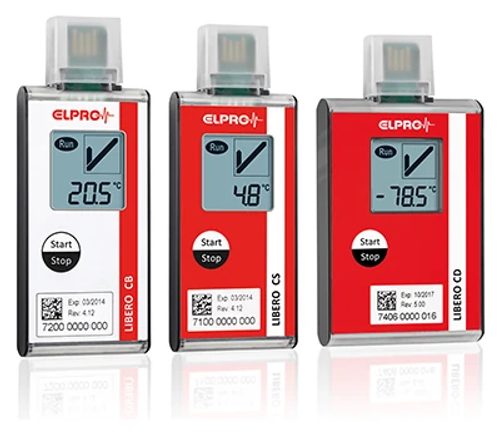
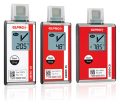
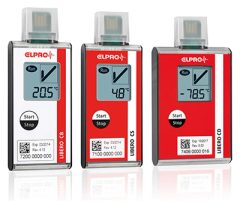 LIBERO CB, CS and CDSingle-use PDF loggers for shipments: CB and CS −30…+70 °C (WHO PQS), CD directly in dry ice −95…+50 °C.
- LIBERO CEPDF logger for an external Pt100 probe: −200…+400 °C depending on the probe. For cryogenic containers, dry ice and ULT freezers.
Sample and medicine transport
The logger travels with the package. On arrival, USB loggers create a PDF report without software, so the recipient sees at once whether the temperature stayed within limits. The single-use LIBERO CB and CS stay with the recipient. AiroSensor records measurements throughout the journey and transfers them to the cloud service via an AccessPoint or, with a mobile AccessPoint in the vehicle, while still on the road.
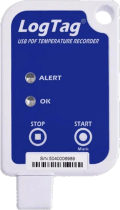
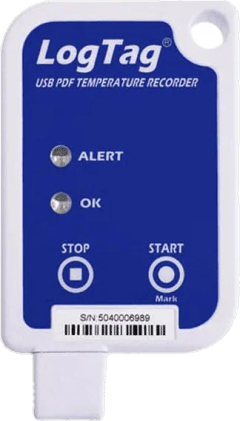 UTRIX-16Low-cost reusable USB PDF logger for transport and refrigerators: −30…+70 °C, indicator lights.
- UTRID-16WHO PQS prequalified USB logger with display: PDF report without software, −30…+60 °C.
- LIBERO CB, CS and CDSingle-use PDF loggers for shipments: CB and CS −30…+70 °C (WHO PQS), CD directly in dry ice −95…+50 °C.
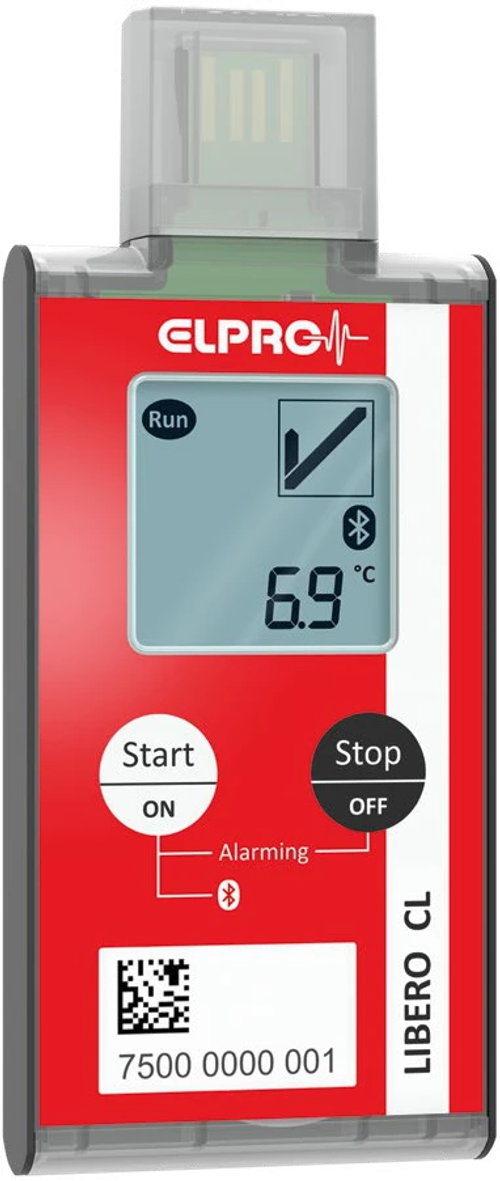
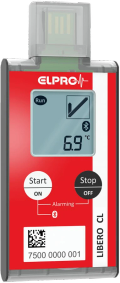
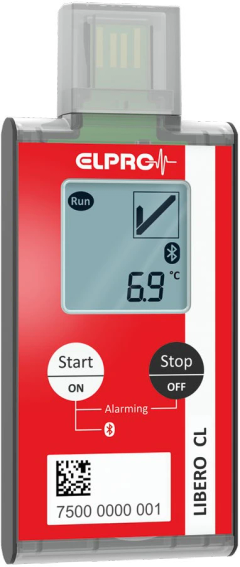 LIBERO CLReusable PDF logger with internal temperature sensor, −30…+70 °C. Readout via USB or Bluetooth.
- AiroSensorWireless sensor for real-time temperature monitoring, available in three models. The T and X models measure −40 … +70 °C with ±0.1 °C accuracy (0 … +70 °C), and the battery lasts 10 years.
Premises, warehouses and cold rooms
AiroSensor sends measurements via the AccessPoint to the cloud service, which sends alarms by email, text message or phone call. The LogTag WiFi loggers use the site's own WiFi network. LIBERO CH also measures relative humidity.
- AiroSensorWireless sensor for real-time temperature monitoring, available in three models. The T and X models measure −40 … +70 °C with ±0.1 °C accuracy (0 … +70 °C), and the battery lasts 10 years.
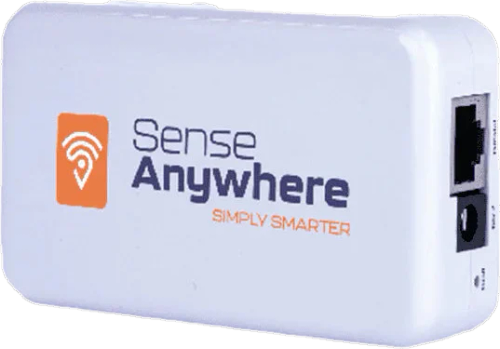
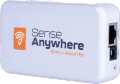
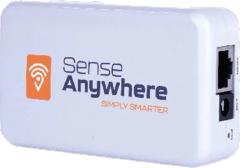 AccessPointPlug-and-play receiver that connects AiroSensors to the SenseAnywhere cloud service. No limit on the number of sensors.
- UTRED30-WiFi and UTREL30-WiFiTwo-channel logger with a display that sends measurements over WiFi to LogTag Online. UTRED30-WiFi −40…+99 °C, UTREL30-WiFi −90…+40 °C.
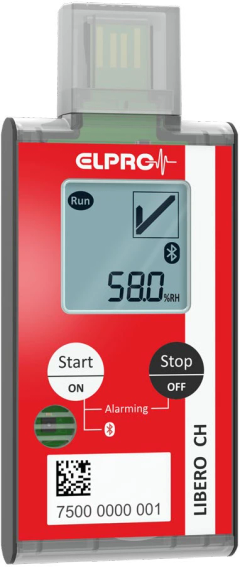 LIBERO CHReusable PDF logger for temperature and humidity: −30…+70 °C and 0–100% RH.
Choosing temperature monitoring
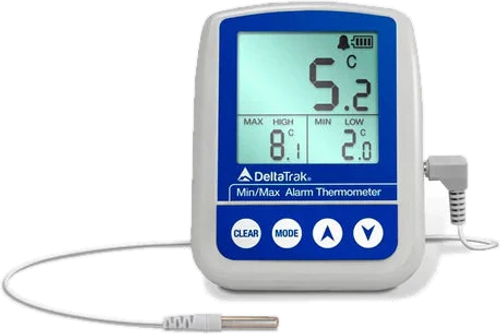
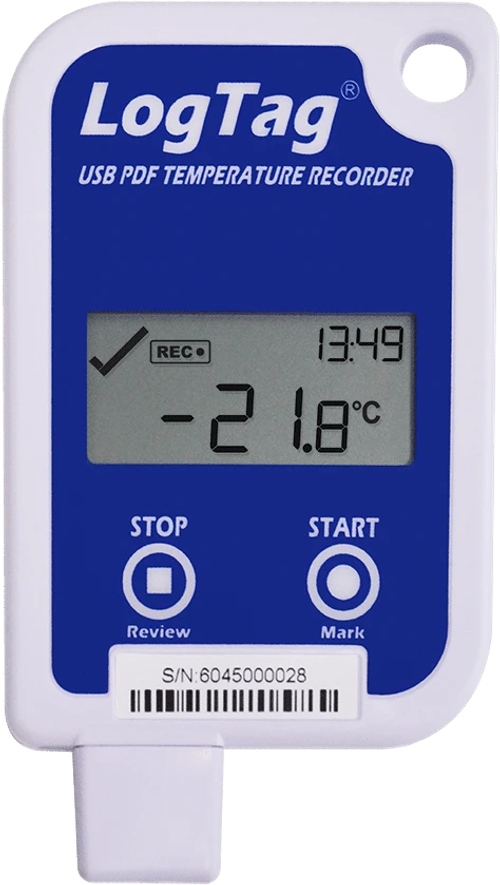
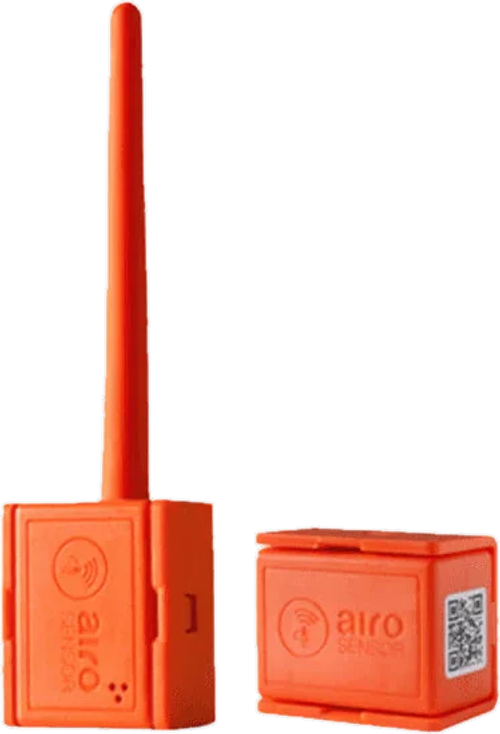
An alarm thermometer shows the current, maximum and minimum readings and gives an alarm on site, but it does not store a measurement history. If you need to demonstrate the temperature afterwards, you need a recording logger or a wireless sensor.
Most loggers and alarm thermometers give an alarm only on the device itself. The SenseAnywhere AiroSensor sends measurements via the AccessPoint to the cloud service, which sends alarms by email, text message or phone call. The LogTag UTRED30-WiFi and UTREL30-WiFi send measurements over WiFi to LogTag Online, and with a paid subscription alarms come by phone call, text message or WhatsApp.
All loggers in our range are suitable for refrigerators at +2…+8 °C. Freezers need an external probe, and TREL30-16 measures down to −90 °C. For dry ice, use the LogTag dry ice loggers or LIBERO CD, which measures down to −95 °C. For cryogenic containers, LIBERO CE measures down to −200 °C with a Pt100 probe.
USB loggers (UTRID-16, UTRED-16F, UTRIX-16, SRIL-16U and TRIL-16U, ELPRO LIBERO and DeltaTrak FlashLink) create a PDF report when connected to a computer, with no software needed. TRED30-16R, TREL30-16, SRIL-8, TRIL-8 and TREL-8 are read with a cradle and the free LogTag Analyzer software. Measurements from SenseAnywhere and the LogTag WiFi loggers are in the cloud service.
For transport, use the reusable UTRIX-16 and LIBERO CL or the single-use LIBERO CB and CS. For dry ice shipments, use the LogTag dry ice loggers and LIBERO CD. AiroSensor also travels with the shipment: it stores measurements in its memory and sends them once it is back in range of an AccessPoint. A mobile AccessPoint installed in the vehicle forwards measurements over the mobile network while the vehicle is on the move.
Thermometer, logger or wireless sensor?
| Alarm thermometer | Temperature data logger | Wireless sensor | |
|---|---|---|---|
| In our range | DeltaTrak FlashCheck 12217, 12238 and ULT | LogTag, ELPRO LIBERO and DeltaTrak FlashLink | SenseAnywhere AiroSensor and AccessPoint |
| Measurement history | Not recorded. Shows the current, maximum and minimum readings. | Stored in the logger's memory | Stored in the cloud service |
| Alarm | Beep and flashing light on the device | On the display, by beep or by LEDs, depending on the model | Email, text message or phone call |
| Report | Readings are recorded manually | PDF via USB or with LogTag Analyzer software | In the cloud service |
| Battery | AA battery, over one year of use (FlashCheck 12217) | 1–3 years depending on the model | 10 years |
| Suitable for | Daily on-site refrigerator checks | Storage and transport when the temperature must be demonstrated afterwards | Continuous monitoring of premises, including nights and weekends, and transport with a mobile AccessPoint |
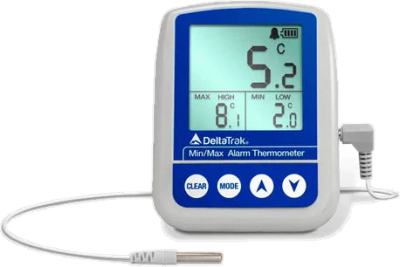
Alarm thermometer
- In our range
- DeltaTrak FlashCheck 12217, 12238 and ULT
- Measurement history
- Not recorded. Shows the current, maximum and minimum readings.
- Alarm
- Beep and flashing light on the device
- Report
- Readings are recorded manually
- Battery
- AA battery, over one year of use (FlashCheck 12217)
- Suitable for
- Daily on-site refrigerator checks
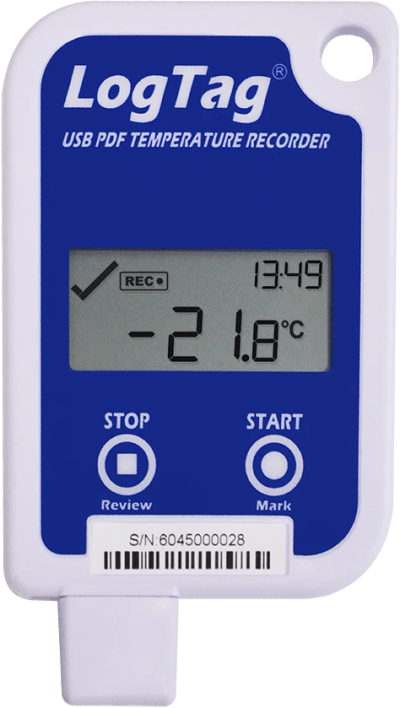
Temperature data logger
- In our range
- LogTag, ELPRO LIBERO and DeltaTrak FlashLink
- Measurement history
- Stored in the logger's memory
- Alarm
- On the display, by beep or by LEDs, depending on the model
- Report
- PDF via USB or with LogTag Analyzer software
- Battery
- 1–3 years depending on the model
- Suitable for
- Storage and transport when the temperature must be demonstrated afterwards
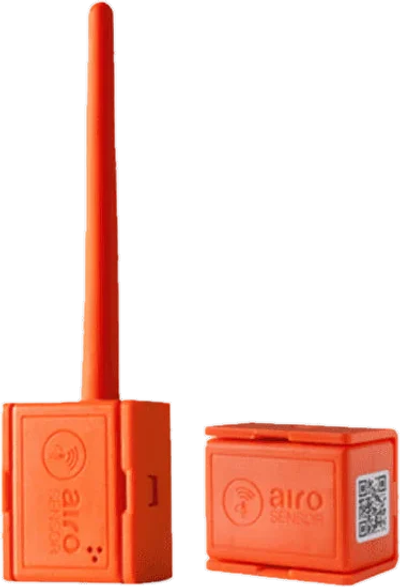
Wireless sensor
- In our range
- SenseAnywhere AiroSensor and AccessPoint
- Measurement history
- Stored in the cloud service
- Alarm
- Email, text message or phone call
- Report
- In the cloud service
- Battery
- 10 years
- Suitable for
- Continuous monitoring of premises, including nights and weekends, and transport with a mobile AccessPoint
Monitoring medicine and vaccine refrigerators
According to THL (Finnish Institute for Health and Welfare), the temperature of a vaccine refrigerator should be monitored daily with a maximum-minimum thermometer, which also shows the variation over the day. The closer the temperature is to +2 °C, the greater the risk of freezing in the event of a malfunction.
In the WHO storage guidance, a min/max thermometer alone is the least recommended option: the recommendation is a continuously recording device that measures at least six times an hour. A recording logger or a wireless sensor meets both requirements, and an alarm thermometer complements them on site.
In the TRED30-16R vaccine kit, the probe is in a buffer bottle, so opening the door does not cause false alarms.
- Store vaccines on the middle shelf of the refrigerator, away from the back wall, not on door shelves or in drawers.
- Place the probe close to the vaccines. If vaccines are on several shelves, place the probe on the middle shelf.
- Check and record the temperature every working morning before vaccinations start.
- Place the display outside the refrigerator so the reading can be seen without opening the door.
- If there is a deviation, mark the products as not for use, keep them in the refrigerator and contact the hospital pharmacy, medicines centre or pharmacy that supplied them.
Requirements and documentation
Pharmacies, hospital pharmacies and medicines centres Under Fimea regulation 2/2016, records are kept of storage condition monitoring, the significance of deviations for medicine quality is assessed and documented, and the reliability of monitoring equipment is verified regularly and in a documented way.
Social welfare and healthcare units According to the Safe Pharmacotherapy guide of the Finnish Ministry of Social Affairs and Health (STM), medicine storage conditions are monitored regularly and in a documented way, and the functioning of thermometers, real-time monitoring system sensors and alarms is verified according to a plan.
Pharmaceutical wholesale and distribution Under the EU Good Distribution Practice (GDP) guidelines, a temperature mapping exercise is carried out on the storage area before use, and sensors are placed where the variation is greatest. Monitoring devices must have traceable calibration, alarms are tested regularly, and data is kept for at least five years. Temperature monitoring devices used in transport are calibrated at least once a year.
Standards, approvals and calibration
EN 12830 is the European standard for temperature recorders used in the transport, storage and distribution of temperature-sensitive goods at −80…+85 °C, including medicines and blood. Periodic verification of recorders in use is covered by a separate standard, EN 13486.
WHO PQS E006 is the WHO prequalification category for temperature monitoring devices used in immunisation programmes, such as data loggers and alarm systems. Prequalification applies to an individual model: in our range, UTRID-16 (E006/076) and DeltaTrak FlashLink 40527 (E006/047) are prequalified, and UTRID-16 also meets EN 12830. According to ELPRO, the single-use LIBERO CB and CS are also WHO PQS approved.
There is no single common requirement for the calibration interval. GDP sets the interval on the basis of a risk assessment, WHO recommends calibration at least once a year, and the CDC every 2–3 years or as instructed by the manufacturer. According to WHO, single-use loggers with a manufacturer's calibration certificate do not need to be recalibrated.
- Temperature recordersEN 12830−80…+85 °CTransport, storage and distribution, including medicines and blood
- Temperature monitoring devicesWHO PQS E006E006/076LogTag UTRID-16 is prequalified
- Periodic verificationEN 13486Recorders and thermometersRegular verification of devices in use
Glossary
Data logger
A battery-powered device that measures the temperature at set intervals and stores it in its memory. The recorded data is read out afterwards as a report.
Min/max thermometer
Shows the current temperature and the highest and lowest readings since the last reset. Does not store a measurement history.
PDF logger
A logger that creates a PDF report of its measurements when plugged into a computer's USB port. No separate software is needed.
Wireless sensor
Sends measurements via a receiver to a cloud service, which issues alarms in real time.
Buffered probe
A probe in glycol or another buffer medium. It follows the product temperature instead of the air temperature, so opening the door does not cause false alarms.
Alarm delay
The time the temperature must stay outside a limit before the device gives an alarm. Prevents alarms caused by briefly opening the door.
Pt100
A platinum resistance sensor with a resistance of 100 ohms at 0 °C. Used to measure very low and very high temperatures, for example in cryogenic containers.
MKT
Mean kinetic temperature. A single calculated temperature that expresses the combined effect of varying temperatures on a medicine. It is always higher than the arithmetic mean.
Cold chain
The storage and transport stages in which a temperature-sensitive product must stay at the correct temperature at all times.
Temperature survey
Measurement of temperature differences and extreme points in a storage area before it is taken into use. Also called temperature mapping.
GDP
Good Distribution Practice. The EU guidelines on the distribution of medicines, which include temperature requirements for storage and transport.
EN 12830
European standard for temperature recorders used in the transport, storage and distribution of temperature-sensitive goods.
Manufacturers
 SenseAnywhere: wireless temperature monitoringAiroSensor sensors measure temperature and humidity in real time. Measurements travel via the AccessPoint receiver to a cloud service that raises an alarm on deviations.
 LogTag: loggers from vaccines to dry iceThe USB models create a PDF report without software, and models with a display show any deviations directly on the screen.
 ELPRO: PDF loggers for the cold chainELPRO LIBERO loggers create a ready-made PDF report of their measurements on their own: plug the logger into a USB port, and no software is needed.
 DeltaTrak: alarm thermometers and PDF loggersDeltaTrak min/max thermometers show the temperature of a refrigerator, freezer or ULT freezer on a large display and give an alarm when a limit is exceeded. FlashLink loggers also record the measurements and create a PDF report.
We install, train and service.
The same specialist handles commissioning and is still there for service years later.
Frequently asked questions
If you cannot find an answer, call +358 10 841 1600 or email asiakaspalvelu@diagnostica.fi.
What is the difference between a logger and an alarm thermometer?
A logger stores measurements in its memory, and a report can be produced from them afterwards. DeltaTrak alarm thermometers show the current, maximum and minimum readings and give an alarm on site, but they do not store a measurement history.
Is software needed to read a logger?
USB loggers (LogTag UTRID-16, UTRED-16F, UTRIX-16, SRIL-16U and TRIL-16U, ELPRO LIBERO and DeltaTrak FlashLink) create a PDF report when plugged into a computer's USB port, without any software. TRED30-16R, TREL30-16, SRIL-8, TRIL-8 and TREL-8 are read with the LTI-HID cradle and the free LogTag Analyzer software. Measurements from SenseAnywhere and the LogTag WiFi loggers are in the cloud service.
How often must the vaccine refrigerator temperature be checked?
According to THL, the vaccine refrigerator temperature is checked and recorded every working day in the morning before the day's vaccinations start. A recording logger or wireless sensor also monitors the temperature at night and at weekends.
Is a min/max thermometer enough?
THL requires a maximum-minimum thermometer for monitoring vaccine refrigerators. In the WHO storage guidance, however, a min/max thermometer alone is the least recommended option, and the recommendation is a continuously recording device. Many units use both: an alarm thermometer on site and a logger for documentation.
Where should the probe be placed in the refrigerator?
Close to the products, on the middle shelf if there are several, away from the walls and the door. It is best to place the display outside the refrigerator so the reading can be seen without opening the door.
How often should a logger be calibrated?
There is no single common interval. Under the EU GDP guidelines, the interval is set on the basis of a risk assessment, and transport monitoring devices are calibrated at least once a year. WHO recommends calibration at least annually.
What is MKT?
Mean kinetic temperature. It is a single calculated temperature that expresses the combined effect of varying temperatures on a medicine. ELPRO LIBERO loggers have an MKT alarm.
How do I choose the right device?
Tell us what you are monitoring, at what temperature, and whether you need a report, an alarm or both. We will suggest a suitable model and send you a quote. Call +358 10 841 1600 or write to sales@diagnostica.fi.